The Urban Nuisance No One Talks About: Solving Waste Transfer Station Wastewater in Dense Cities
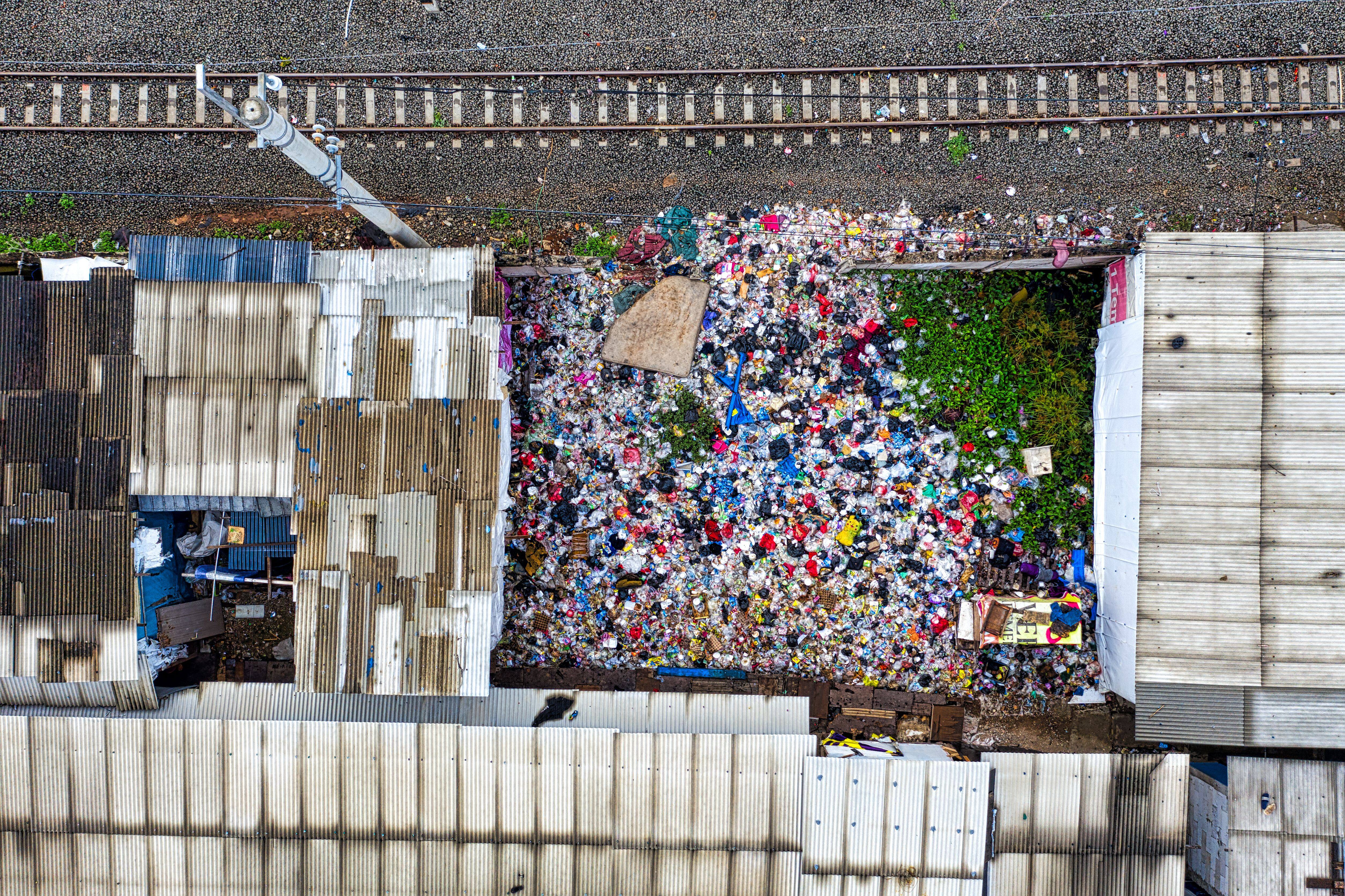
Urban waste transfer stations generate highly variable, toxic leachate with extreme COD, ammonia, and FOG loads that conventional treatment cannot handle. Colduck's integrated system — combining advanced pretreatment, high-efficiency denitrification, and UV advanced oxidation — delivers modular, shock-resistant treatment in a compact, containerized design. From 10-200 m³/day, Colduck eliminates odors, ensures compliance, and restores community goodwill for urban waste infrastructure.
Every morning at 5 AM, in cities from Lagos to Bangkok to São Paulo, hundreds of garbage trucks converge on compact waste transfer stations tucked into industrial corners of dense urban neighborhoods. By 8 AM, the waste is compacted, reloaded into larger trailers, and shipped to distant landfills or incinerators. But what's left behind is a toxic, foul-smelling liquid — leachate — pooling in collection tanks, seeping into cracks, and generating odors that make nearby residents sick.
Waste transfer stations are the unsung heroes of urban sanitation. But their wastewater is an unsung nightmare.
The Hidden Chemistry of Transfer Station Leachate
Unlike landfill leachate, which develops over years of waste decomposition, transfer station leachate is fresh, highly concentrated, and shockingly variable. In a single day, a single station might receive:
Household food waste (high organic load, high FOG — fats, oils, grease)
Expired supermarket goods (sugars, preservatives, packaging residues)
Industrial scraps (solvents, heavy metals, chemical residues)
Medical waste from clinics (pharmaceuticals, disinfectants)
Street sweeping debris (heavy metals, hydrocarbons, microplastics)
The result is a chemical cocktail with COD levels of 10,000-50,000 mg/L, extreme pH swings, high suspended solids, and ammonia spikes that can exceed 2,000 mg/L. The odor — a mix of hydrogen sulfide, ammonia, and volatile organic compounds — is not just unpleasant. It's a public health hazard.
Why Conventional Systems Fail
Most transfer stations use simple holding tanks and periodic trucking to offsite treatment. This is expensive, logistically fragile, and often illegal. Others install basic biological treatment — but the shock loads and toxicity kill the microbes within days. Membrane systems foul rapidly from the high FOG and suspended solids content.
The core problem? Variability. Transfer station wastewater is not a steady stream. It's a series of toxic surges — unpredictable in composition, impossible to buffer, and hostile to any biological process.
Colduck's Integrated Approach
Hongkong Pangu Environmental Protection Technology Co., Ltd. (brand: Colduck) has developed a modular, shock-resistant treatment system specifically engineered for waste transfer stations:
Advanced pretreatment — Oil-water separation, pH equalization, and coagulation-flocculation to remove FOG and suspended solids before they foul downstream equipment
High-efficiency denitrification — Proprietary biological reactors that handle ammonia spikes through staged nitrification-denitrification with biofilm carriers
UV Advanced Oxidation — For final polishing and complete mineralization of recalcitrant organics, ensuring discharge compliance even with the most contaminated influent
The system is containerized, skid-mounted, and fully automated — designed to fit into tight urban spaces and operate with minimal staffing. From 10 m³/day to 200 m³/day, Colduck delivers turnkey solutions that eliminate odors, meet regulatory standards, and restore goodwill with neighboring communities.
The Urban Imperative
As cities densify and NIMBY opposition to waste infrastructure grows, transfer stations can no longer afford to be environmental liabilities. The technology exists to make them invisible — odorless, compliant, and socially acceptable. The question is whether municipalities and waste operators will invest in the upgrade — or wait for the next community uprising.
Facing a similar water challenge? Let's talk solutions.
Contact us today: business@colduck.com
Take Control of Your Water Quality
Discover how Colduck's advanced filtration solutions can help ensure your family has access to clean, safe water.