Beyond the Membrane: Solving the Landfill Leachate Concentrate Crisis in Southeast Asia By Pangu Env
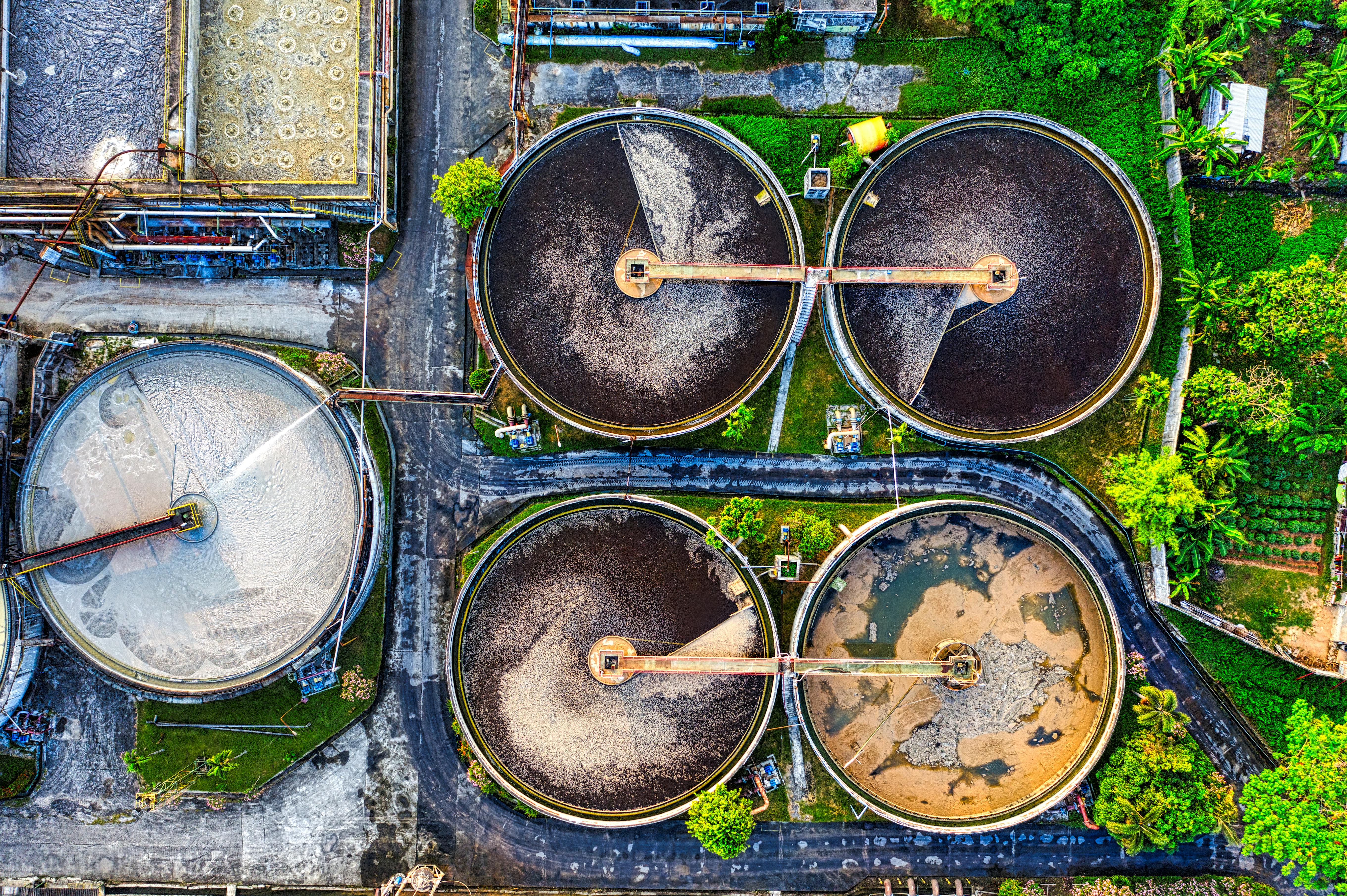
Southeast Asia's landfills and waste-to-energy plants are generating massive volumes of membrane concentrate — a toxic, briny byproduct that conventional treatment cannot handle. Colduck Pangu Environmental's UV Advanced Oxidation Technology achieves full quantification: 100% mineralization of concentrate into clean water and CO₂, with zero brine or sludge. With 100+ successful projects, colduck offers a proven, scalable solution for the region's zero-liquid-discharge requirements.
In the outskirts of Manila, Jakarta, and Ho Chi Minh City, mountains of municipal solid waste tell a visible story of rapid urbanization. But the real environmental threat is invisible — and it's called membrane concentrate.
Across Southeast Asia, governments are mandating that aging landfills and new waste-to-energy plants install reverse osmosis (RO) or nanofiltration systems to treat leachate. These membranes work — they produce clean permeate that meets discharge standards. But they leave behind a toxic, briny residue: 20-30% of the original volume, concentrated with recalcitrant organics, heavy metals, and salts that are 5-10 times more polluted than the raw leachate itself.
The Concentrate Dilemma
This membrane concentrate is the wastewater industry's dirty secret. It's too polluted to discharge. Too expensive to truck away. And in tropical climates with high rainfall, open-air evaporation ponds overflow, contaminating groundwater and nearby rivers.
In Indonesia, the Bantar Gebang landfill — one of the world's largest — processes over 7,000 tons of waste daily. Its leachate treatment plants generate hundreds of cubic meters of concentrate that simply cannot be managed sustainably. Vietnam's new environmental regulations, effective 2025, now require zero liquid discharge (ZLD) for hazardous waste streams — including membrane concentrate.
The technical challenge? Conventional biological treatment fails against these ultra-high COD loads (often 10,000-50,000 mg/L). Evaporation is energy-intensive. Re-injection into the landfill is a temporary fix that accelerates membrane fouling and creates a vicious cycle.
Pangu's Breakthrough: Full Quantification, Zero Waste
Colduck Brand (Shenzhen Pangu Environmental Protection Technology Co., Ltd.) pioneered a solution that the industry thought impossible: complete mineralization of membrane concentrate using UV Advanced Oxidation.
Unlike traditional AOP systems that struggle with the concentrate's high turbidity and color, Pangu's proprietary UV reactor design — combined with optimized catalyst dosing and hydraulic control — achieves full quantification: 100% of the concentrate is converted to clean water and CO₂. No brine. No sludge. No secondary waste stream.
The science is straightforward but the engineering is hard. Hydroxyl radicals (·OH), generated through UV/H₂O₂ reactions, attack organic molecules at the molecular level, breaking them down into harmless end products. Pangu's innovation lies in maximizing radical yield while minimizing energy consumption — a balance refined over 100+ successful projects across China.
A Scalable Model for the Region
For Southeast Asian cities facing mounting waste crises, colduck's technology offers a turnkey path to compliance:
Modular design that fits into existing leachate treatment plants
Low operational cost compared to evaporation or off-site disposal
Regulatory certainty — meets the strictest ZLD standards
The membrane was never the end of the story. It was just the beginning. The concentrate problem demands a solution that goes beyond the membrane — and colduck has already proven it works.
Facing a similar water challenge? Let's talk solutions.
Contact us today: business@colduck.com
Take Control of Your Water Quality
Discover how Colduck's advanced filtration solutions can help ensure your family has access to clean, safe water.