The Silent Pandemic: How Pharmaceutical Wastewater Is Breeding Superbugs in Our Rivers
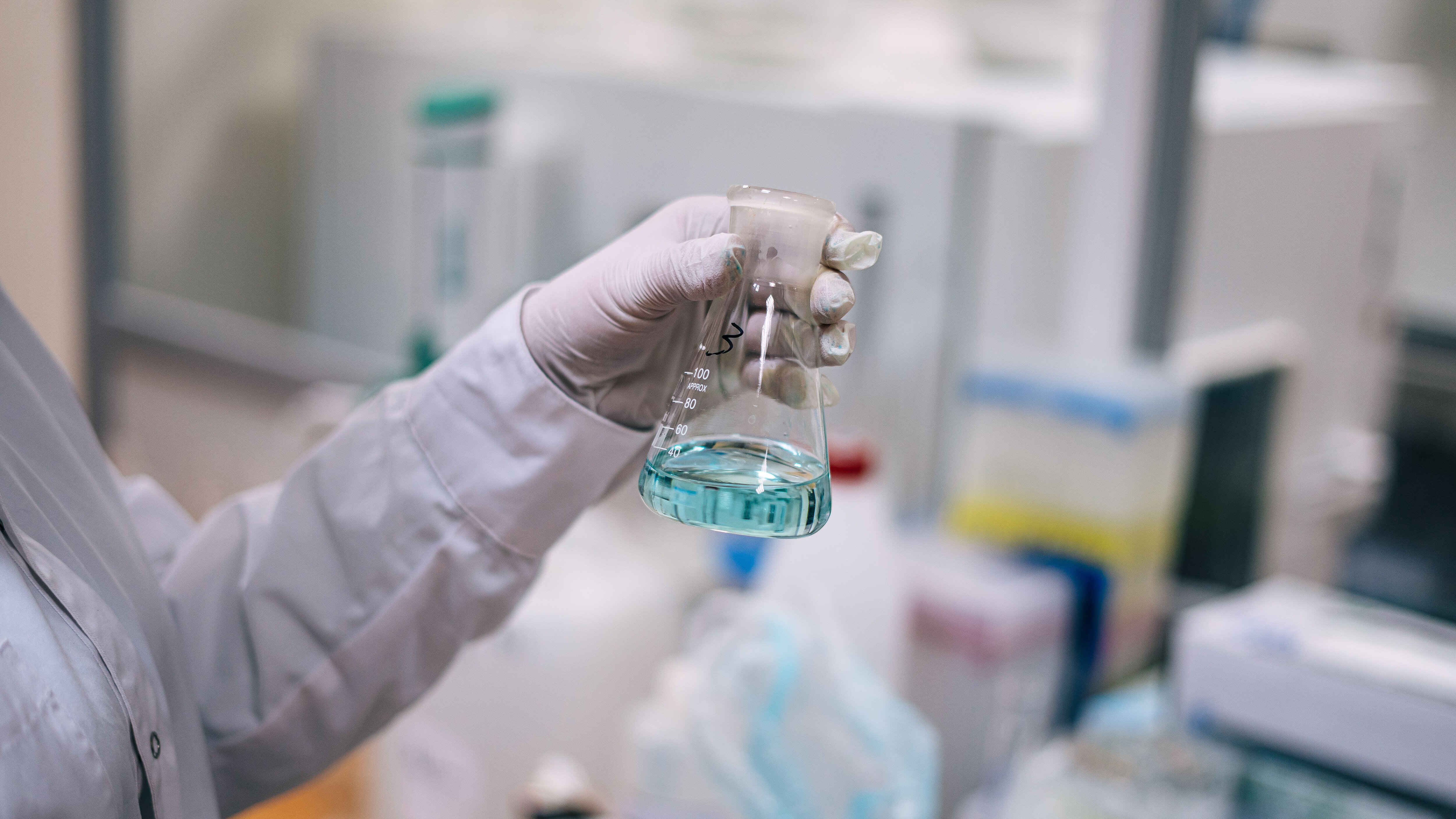
This article addresses the growing "silent pandemic" of antibiotic resistance fueled by pharmaceutical wastewater. Citing 2026 research from the University of Exeter showing that antibiotic breakdown metabolites still drive resistance, it explains why conventional biological and membrane treatments fail to fully destroy drug compounds. It then introduces Colduck's UV-AOP technology, which uses hydroxyl radicals to completely mineralize pharmaceuticals and their metabolites, providing true destru
Imagine a world where common infections become untreatable, where a simple cut could turn deadly, and where antibiotics—once hailed as medicine's greatest miracle—no longer work. This isn't science fiction. It's the reality we're racing toward, and pharmaceutical wastewater is one of the most overlooked accelerants of this crisis.
A groundbreaking June 2026 study from the University of Exeter and the University of Queensland, published in Nature Water, delivers a chilling revelation: even after antibiotics break down in treatment plants, their transformation products drive antibiotic resistance at the same concentrations as the original drugs. These metabolites, long assumed to be harmless, are actually fueling the rise of "superbugs" in rivers and waterways worldwide. In Spain, researchers call it the "silent pandemic"—antibiotic-resistant genes are now detectable in tap water, bottled water, and the food chain.
Why Conventional Treatment Fails Pharma Wastewater
Pharmaceutical wastewater is uniquely challenging. It contains high concentrations of active pharmaceutical ingredients (APIs), antibiotic residues, and complex organic compounds that resist standard biological treatment. The problem is twofold:
Incomplete degradation: Biological systems and even some membrane treatments don't fully break down drug molecules—they transform them into metabolites that still trigger resistance.
Concentration without destruction: Reverse osmosis and activated carbon merely capture antibiotics, concentrating them into sludge or brine that must still be disposed of, creating a secondary pollution pathway.
Even worse, non-antibiotic pharmaceuticals like common antidepressants have now been shown to accelerate the spread of antibiotic resistance genes between bacteria—a mechanism scientists are only beginning to understand.
Colduck's UV-AOP: Destroying Drugs at the Molecular Level
This is where Colduck's UV Advanced Oxidation Process (UV-AOP) technology makes a critical difference. Unlike conventional methods that merely capture or partially transform pharmaceuticals, our system generates powerful hydroxyl radicals (·OH) that completely mineralize organic molecules—breaking them down into harmless CO₂ and water, not just smaller, still-active fragments.
Our proprietary UV-AOP platform delivers:
40% more hydroxyl radicals than traditional Fenton oxidation, ensuring complete destruction of APIs and their metabolites
50% shorter hydraulic retention time than conventional AOP systems, enabling high-throughput treatment for manufacturing facilities
Dramatically less sludge production, eliminating the secondary waste problem
Biodegradability boost from near-zero to 0.5–0.8 B/C ratio, making downstream biological polishing highly effective
Backed by 60+ patents and 100+ industrial project cases, Colduck provides end-to-end pharmaceutical wastewater solutions—from process design and precision equipment manufacturing to long-term operational services. We don't just move pollution around; we eliminate it at the source.
As the WHO updates its global guidance on pharmaceutical wastewater management this July 2026, forward-thinking manufacturers are already moving beyond compliance to true environmental stewardship. The superbug crisis won't wait—and neither should we.
Facing a similar water challenge? Let's talk solutions.
Contact us today: mailto:business@colduck.com
Take Control of Your Water Quality
Discover how Colduck's advanced filtration solutions can help ensure your family has access to clean, safe water.