The Hidden Cost of Chip Manufacturing: Why Semiconductor Wastewater Demands a Smarter Solution
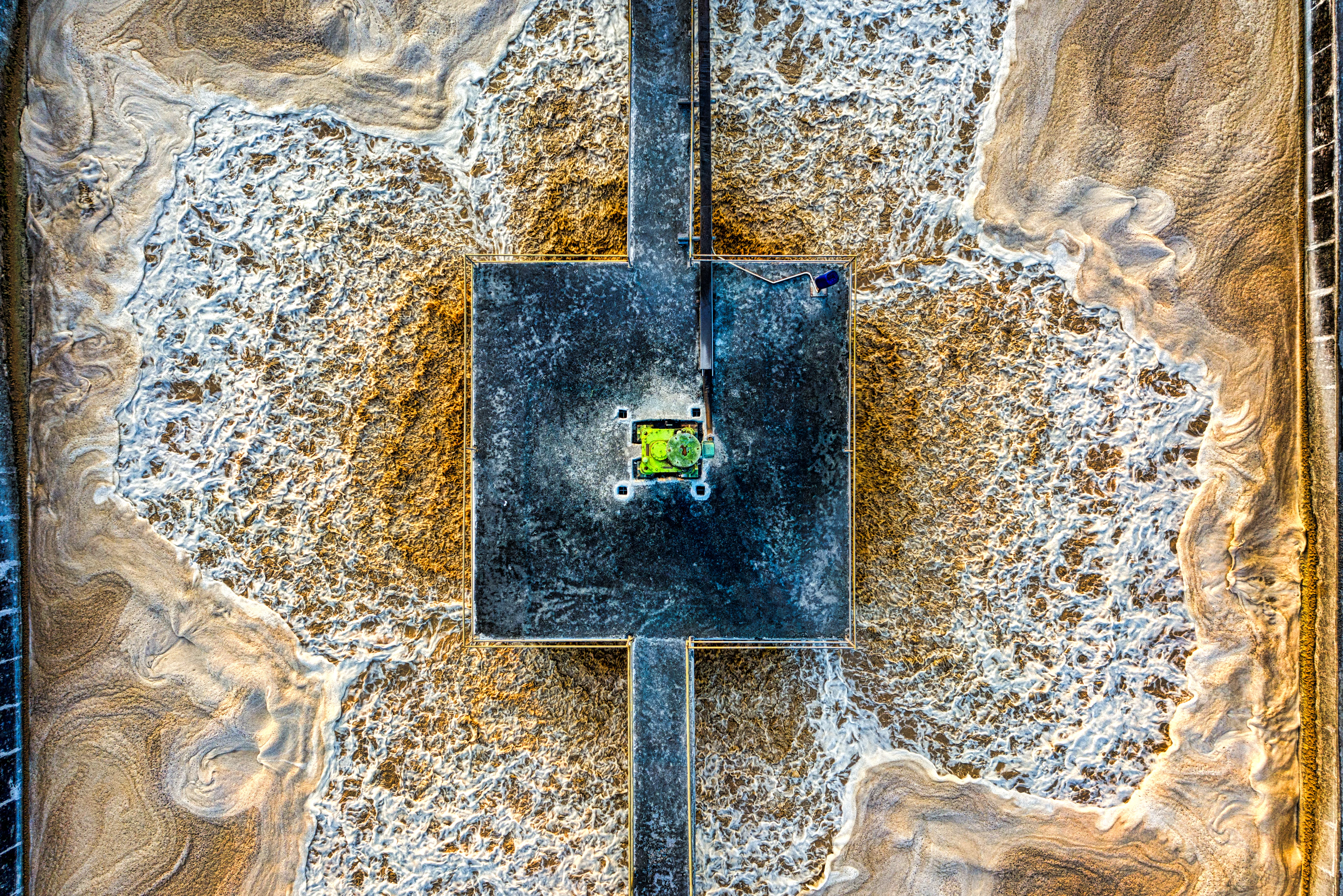
The global semiconductor boom is generating massive volumes of toxic, hard-to-treat wastewater containing fluorides, heavy metals, and recalcitrant organics. Conventional treatment methods fall short of tightening regulatory standards across the U.S., EU, and ASEAN. Pangu Environmental's UV Advanced Oxidation Technology offers a proven, integrated solution to mineralize pollutants completely — with no sludge and no secondary contamination.
In Arizona, a cluster of billion-dollar semiconductor fabs is ramping up production. In Germany, a new "Silicon Saxony" is taking shape. Across Southeast Asia, Malaysia and Vietnam are fast becoming chip-packaging powerhouses. The global semiconductor gold rush is real — but it's generating a dirty secret that few want to talk about: toxic, hard-to-treat industrial wastewater.
A single advanced fab can consume over 10 million gallons of water per day. Much of that water exits the process laden with fluorides, heavy metals, organic solvents, photoresist chemicals, and trace pharmaceutical-grade contaminants. These are not your typical municipal pollutants. They are recalcitrant, bio-toxic, and in many cases, regulated to parts-per-billion thresholds that conventional biological treatment simply cannot meet.
The Technical Gap
Traditional activated sludge systems and basic physicochemical processes were never designed for this complexity. Semiconductor wastewater often contains high-COD organic fractions that resist biodegradation, along with ammonia spikes from etching baths and CMP (chemical mechanical planarization) rinse water. Membrane systems can concentrate the problem — but then what? The resulting brine, or concentrated reject, becomes a liability unto itself: a toxic cocktail that grows more expensive to dispose of by the day.
Regulators in the EU, the U.S., and increasingly in ASEAN nations are tightening discharge limits. Non-compliance doesn't just mean fines — it means project delays, reputational damage, and lost operating licenses.
How Pangu Environmental Closes the Loop
Pangu Environmental Protection Technology Co., Ltd. brings a proven, integrated approach to semiconductor and high-tech industrial wastewater:
- UV Advanced Oxidation Technology — Pangu's flagship capability. By generating hydroxyl radicals through optimized UV/H₂O₂ and UV/catalyst systems, recalcitrant organics are mineralized into harmless CO₂ and water — no sludge, no secondary pollution.
- High-Efficiency Denitrification — Engineered biological and chemical hybrid systems that handle ammonia loads far beyond conventional design thresholds.
- New Material-Enhanced Treatment — Proprietary catalytic media and adsorbents that boost removal efficiency for heavy metals and trace organics.
With dozens of patents, over 100 completed projects, and deep expertise in process design, high-end equipment manufacturing, and full-cycle operation, Pangu delivers turnkey solutions — not just equipment.
The Bottom Line
The semiconductor industry's water problem will only grow. The question is whether manufacturers will address it proactively — or react to a crisis.
Facing a similar water challenge? Let's talk solutions.
Contact us today: [business@colduck.com]
Take Control of Your Water Quality
Discover how Colduck's advanced filtration solutions can help ensure your family has access to clean, safe water.