The Hidden Cost of Every Microchip: Solving Semiconductor Wastewater with UV Advanced Oxidation
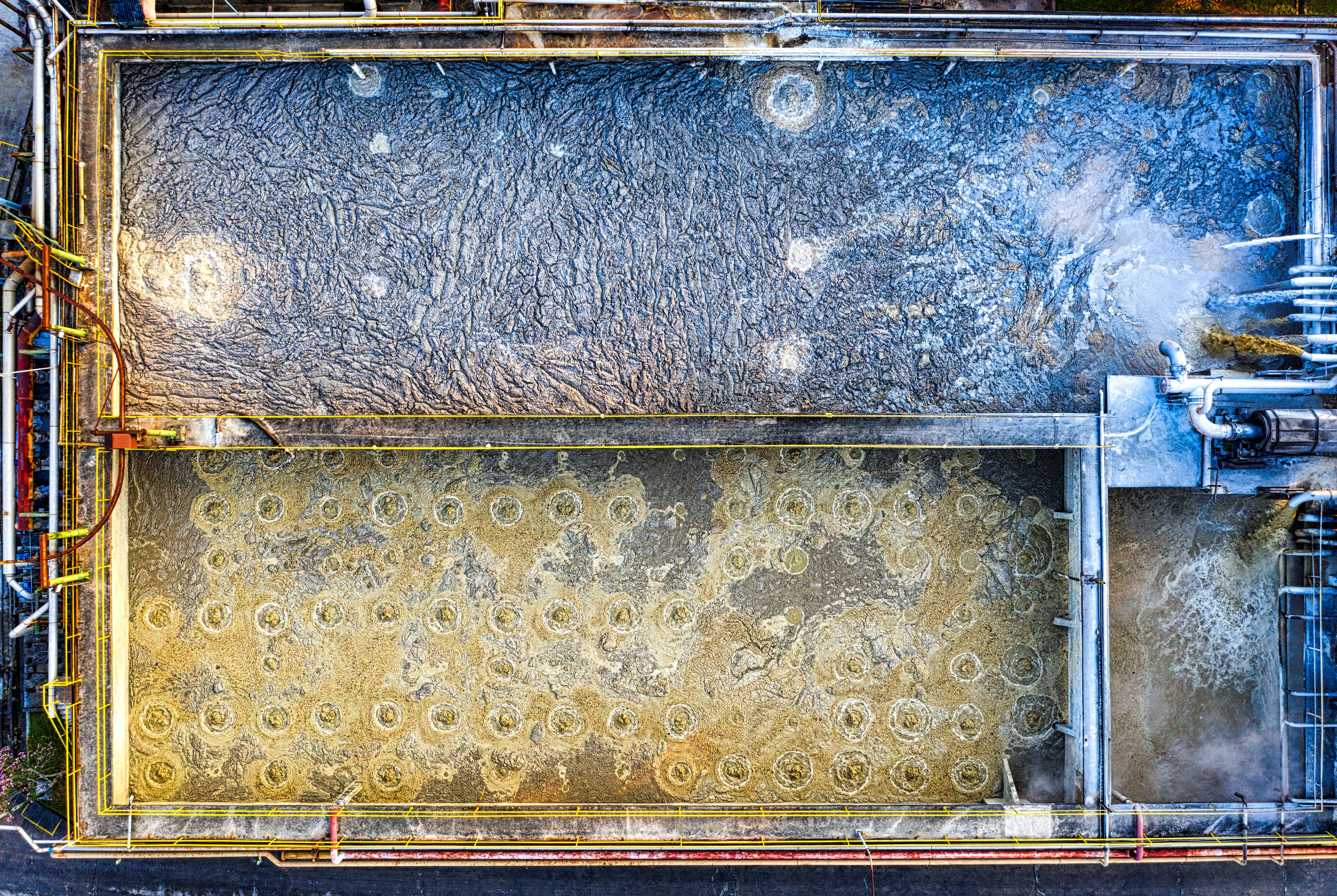
This article reveals the hidden water crisis behind the global semiconductor boom — from hydrofluoric acid and TMAH to PFAS "forever chemicals" that conventional treatment cannot destroy. It explains why the carbon-fluorine bond (485 kJ/mol) makes PFAS uniquely resistant to degradation, the failure of phase-transfer methods, and how Colduck's UV Advanced Oxidation technology achieves complete molecular mineralization — backed by 100+ project deployments across semiconductor and landfill leachate
Every time you unlock your smartphone, stream a video, or ask an AI assistant a question, a semiconductor fabrication plant somewhere in the world consumed thousands of gallons of ultrapure water — and discharged an even greater volume of chemically complex wastewater. A single 300mm wafer requires up to 12 gallons of ultrapure water per square inch to rinse away photoresist residues, etching chemicals, and metal particles. Multiply that across the $628 billion global chip industry, and the math becomes staggering: semiconductor fabs are among the most water-intensive and chemically hazardous industrial sites on the planet.
The waste streams they generate are a toxicologist's nightmare. Hydrofluoric acid (HF) — capable of dissolving glass and human bone. Tetramethylammonium hydroxide (TMAH) — a neurotoxic solvent used in photolithography. Heavy metals including copper, arsenic, and gallium. And most critically: PFAS — the "forever chemicals" that the U.S. EPA has designated as hazardous substances under the Clean Water Act, with semiconductor manufacturing identified as a significant emission source. The Semiconductor Industry Association itself acknowledges that PFAS are "irreplaceable" in current chip-making processes. Yet with over 16,000 known PFAS compounds and EPA enforcement intensifying across the supply chain, fabs worldwide face an existential question: treat this wastewater to near-zero discharge standards, or risk regulatory shutdown.
The technical challenge is formidable. PFAS molecules are stabilized by the strongest bond in organic chemistry — the carbon-fluorine bond (C-F, ~485 kJ/mol) — making them almost completely resistant to conventional biological treatment, granular activated carbon, and even standard advanced oxidation. Many semiconductor effluents also contain proprietary chemical mixtures: 98% of fab chemicals carry trade-secret formulations, meaning treatment systems must handle unknown, variable contaminant profiles without losing efficacy. Phase-transfer methods like carbon adsorption or foam fractionation merely relocate PFAS from water to solid waste — they do not destroy it.
Colduck's UV Advanced Oxidation platform was designed precisely for this class of problem. By generating hydroxyl radicals (·OH) with an oxidation potential of 2.80V — second only to fluorine — our system cleaves C-F bonds and mineralizes PFAS into harmless fluoride ions, CO₂, and water. This is true molecular destruction, not phase-transfer. The same radical chemistry simultaneously degrades TMAH, organic solvents, and complex proprietary photoresist compounds that conventional treatment leaves untouched. Coupled with our proprietary High-Efficiency Denitrification technology and advanced selective materials, the integrated system has been deployed across 100+ projects — from semiconductor industry wastewater sites to landfill leachate treatment facilities — consistently delivering effluent that exceeds the most stringent national discharge standards.
As the CHIPS Act and its global counterparts drive a $280 billion fab construction boom, one constraint will bind the industry more tightly than capital or talent: water. The ability to clean what chip manufacturing consumes — completely and irreversibly — will separate the leaders from the laggards. Colduck makes that possible.
Facing a similar water challenge? Let's talk solutions.
Contact us today: business@colduck.com
Take Control of Your Water Quality
Discover how Colduck's advanced filtration solutions can help ensure your family has access to clean, safe water.